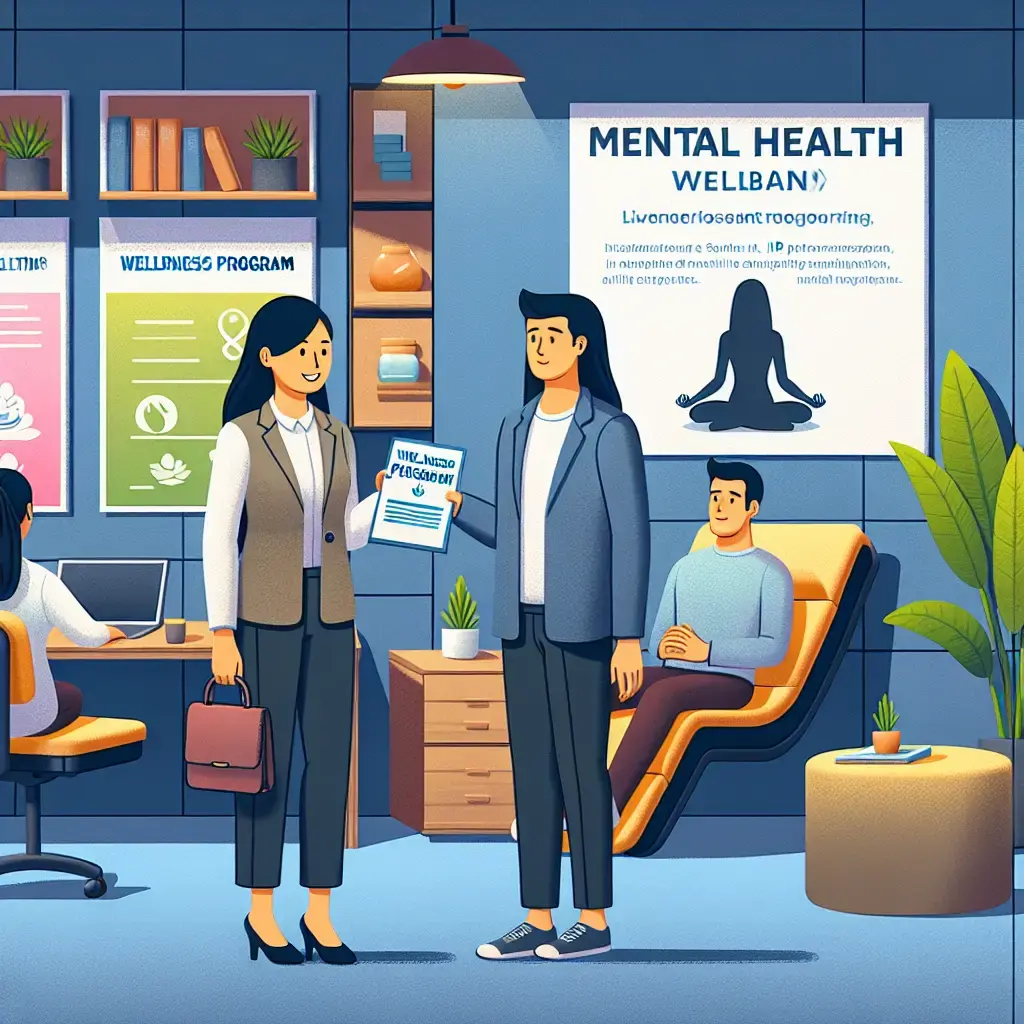
The Essential Integration of Mental Health Support in Modern Workplace Benefits
In today's fast-paced corporate landscape, the significance of mental health support within workplace benefits has never been more critical. As organizations strive to create environments conducive to both productivity and employee well-being, the focus on mental health awareness is taking center stage. Modern workplaces are increasingly acknowledging that the mental health of their employees is as vital as their physical health. This paradigm shift underscores the importance of comprehensive workplace mental health initiatives that foster a supportive environment and enhance overall workplace wellness.
Employee mental health support is no longer a peripheral concern; it is now a central component of effective workplace benefits. Companies are implementing diverse mental health programs and resources, including employee assistance programs and mental health policies, to address the myriad challenges faced by their workforce. By integrating these initiatives, businesses promote mental health advocacy and engage in stress management, which is crucial for maintaining a productive and healthy workforce.
Corporate mental health strategies are evolving to include innovative mental health training sessions and tailored resources that empower employees to tackle workplace stress effectively. Furthermore, these benefits serve as an essential tool for attracting and retaining top talent, as prospective employees increasingly prioritize workplaces that prioritize their mental health.
The Evolving Landscape of Workplace Benefits
In today's competitive job market, companies strive to offer unique and attractive benefits that set them apart. With the rise of remote work, the market for hiring new employees is more competitive than ever, giving workers the power to choose from a broader array of employers. Mental health support has emerged as a crucial component of comprehensive workplace benefits, aligning with employees' growing prioritization of their mental well-being.
One intriguing trend is the rise of fertility startups that assist employees with family planning, stepping in where traditional health insurance plans may fall short. Many working Americans are choosing to have children later in life, and these startups make those dreams more attainable by covering fertility treatments. Such benefits support physical health and alleviate mental stress, showcasing a holistic approach to employee well-being.
Addressing Workplace Stress and Mental Health Advocacy
Workplace stress management has become a central focus for organizations aiming to maintain a productive workforce. Mental health training for line managers is proving beneficial, as evidenced by studies linking such training to reduced long-term mental health-related sickness absence and enhanced business performance. This highlights how targeted mental health initiatives can contribute to corporate success, reinforcing the notion that employee mental health support is a valuable investment.
Integrating employee assistance programs (EAPs) and comprehensive mental health resources into workplace benefits helps address various stressors faced by employees. By promoting mental health awareness and offering tailored support services, companies foster an environment of openness and support. This culture not only enhances employee morale but also attracts top talent who prioritize mental health in the workplace.
Navigating Challenges and Opportunities in Modern Workplaces
Recent news underscores the complexities organizations face in balancing workplace culture and employee well-being. For instance, instances of harassment following maternity leave highlight the need for robust mental health policies and employee support services. These situations illustrate the critical role of HR interventions and mental health advocacy in addressing workplace conflicts and promoting inclusivity.
Additionally, the shift toward flexible work arrangements has led to new dynamics, such as Gen Z employees personalizing their workspaces, which can enhance their sense of belonging and reduce stress. Employers who recognize and support these evolving preferences can foster a more positive work environment that contributes to overall workplace wellness.
Leveraging Technology for Enhanced Employee Well-being
Innovative technologies are reshaping how organizations approach mental health support. AI-driven solutions enhance team collaboration and project planning, streamlining workflows to reduce stress and improve productivity. Similarly, AI's potential to enhance worker well-being is being recognized, with emphasis on its ability to drive better work experiences.
However, introducing AI assistants presents challenges that must be carefully managed. Organizations need to balance technological advancements with human-centric approaches to ensure these tools genuinely enhance employee mental health rather than exacerbate stress.
Looking Forward: The Imperative of Mental Health Support
As we navigate the complexities of modern workplace dynamics, it becomes increasingly clear that mental health support is not just a trend but an imperative for organizational success. Companies investing in comprehensive mental health programs and prioritizing employee well-being are better positioned to attract and retain talent in today's competitive landscape.
How can your organization effectively integrate mental health initiatives to create a supportive environment? By embracing innovative strategies, promoting open communication, and leveraging technology wisely, businesses can pave the way for a healthier, more productive workforce. This commitment to mental health in the workplace sets the foundation for long-term success, ensuring employees thrive both personally and professionally.
Conclusion: Embracing Mental Health as a Cornerstone of Workplace Benefits
In today's rapidly evolving work environment, prioritizing mental health support is no longer optional but essential for organizational success. Here are the key takeaways from our exploration:
Integration of Mental Health Support: Modern workplace benefits must include comprehensive mental health initiatives to cater to the diverse needs of employees. This integration reflects an organization's commitment to employee well-being.
Addressing Stress and Advocating for Mental Health: Implementing mental health training and resources, such as Employee Assistance Programs (EAPs), can mitigate workplace stress and improve overall morale and productivity. These efforts demonstrate that investing in mental health is not just beneficial for employees but also for business performance.
Navigating Modern Workplace Challenges: Organizations face complex dynamics, such as ensuring inclusivity and adapting to flexible work arrangements. Addressing these challenges with robust mental health policies can enhance employee satisfaction and foster a supportive work environment.
Leveraging Technology: While AI-driven tools offer potential enhancements in employee well-being and productivity, it's crucial to balance technological advances with human-centric approaches to avoid exacerbating stress.
Looking forward, companies embracing mental health initiatives will set themselves apart in a competitive landscape, ensuring long-term success by attracting and retaining top talent. The challenge lies in effectively integrating these programs while maintaining open communication and a supportive culture.
As you reflect on your organization's approach to mental health support, consider how these strategies can be applied or improved upon within your workplace. How are you fostering an environment that prioritizes mental well-being? Share your insights and experiences in the comments below—we'd love to hear from you.
Thank you for engaging with this important topic. Together, let's pave the way for healthier, more resilient workplaces.
Author: Emily Hawthorne