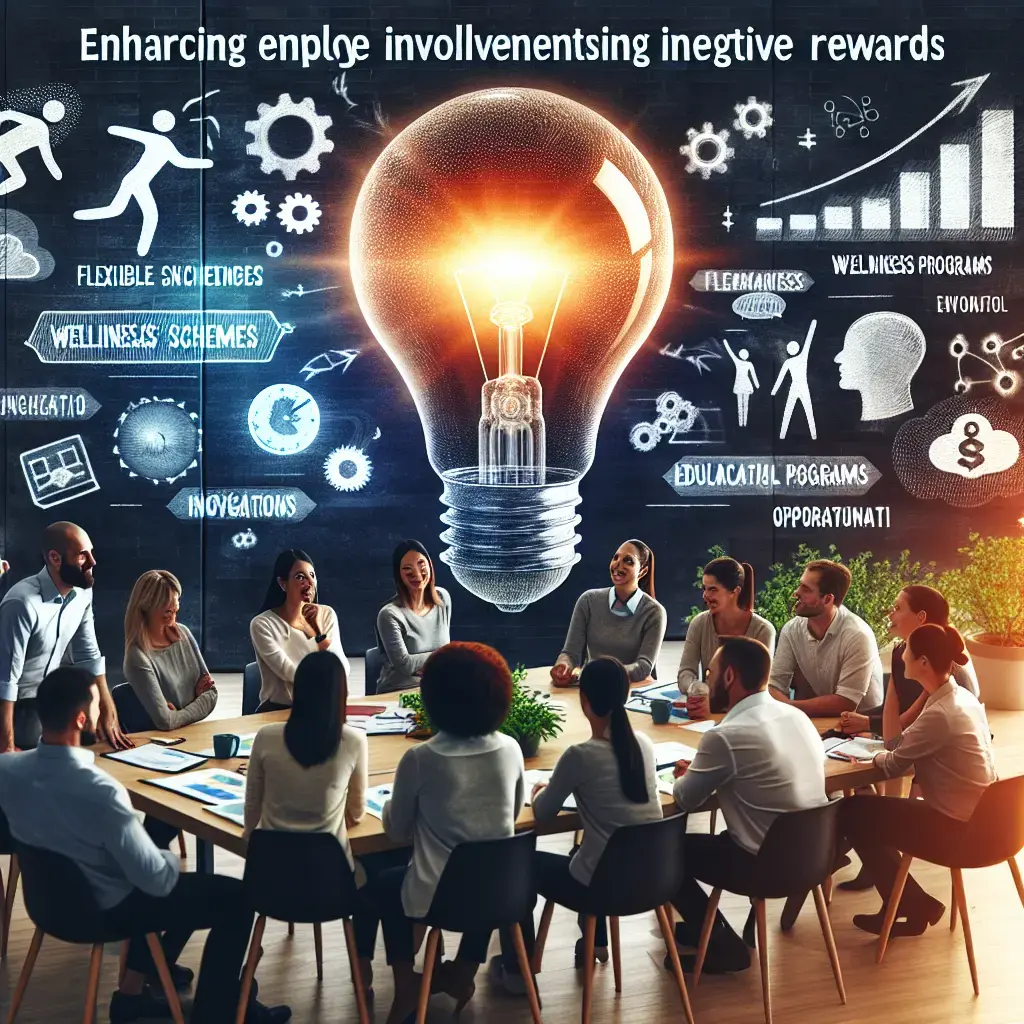
In today’s rapidly evolving business landscape, maximizing employee engagement is more crucial than ever. Organizations recognize that to sustain a thriving workplace culture, they must prioritize innovative benefits that cater to modern employee needs. This shift enhances employee satisfaction and plays a pivotal role in boosting retention and motivation. As companies compete to attract top talent, offering creative employee perks and competitive benefits has become a significant factor in standing out.
Workplace Innovation: Transforming Employee Experience
At the heart of this transformation is workplace innovation, which includes flexible work benefits, comprehensive well-being programs, and unique recognition initiatives. These strategies not only improve the overall employee experience but also foster loyalty and dedication. By investing in benefits that emphasize flexibility and personalization, organizations can effectively enhance engagement and drive productivity.
The Impact of Innovative Benefits on Productivity
The correlation between innovative benefits and employee productivity is undeniable. When employees feel valued through thoughtful workplace innovations, their motivation soars, leading to higher performance and commitment. Creative perks like remote work options and wellness programs are now essential components of a thriving work environment. They serve as vital tools in building a robust workplace culture that champions both personal and professional growth.
Flexible Work Benefits: Meeting Modern Needs
With the rise of remote work and flexible schedules, companies are redefining what it means to offer competitive benefits. One significant trend is the growing demand for fertility benefits. Many working Americans are choosing to have children later in life, and fertility startups are stepping up to meet this demand by covering fertility treatments when traditional health insurance plans fall short (read more about fertility benefits).
Flexible work arrangements aren't limited to remote work; they include options such as compressed workweeks and telecommuting. These benefits enhance engagement and satisfaction by allowing employees to balance personal and professional responsibilities more effectively.
Creative Employee Perks: Beyond the Basics
Creative employee perks have become vital components of a robust workplace culture. Companies like Zoom lead the way by introducing AI-driven tools like Zoom Docs, which enhance team collaboration and project planning (learn about Zoom Docs). These tools streamline workflows and empower employees to perform at their best.
Assigned desks have become a surprising new perk, particularly for Gen Z employees who personalize their workspace to reflect their identity (explore Gen Z workplace trends). This trend highlights the importance of personalization in boosting engagement and satisfaction.
Employee Well-being Programs: Prioritizing Mental Health
Employee well-being programs have become central to workplace innovation. Recent studies from England show that mental health training for line managers leads to better business performance and reduced mental health-related absences (discover the impact of mental health training). This underscores the importance of investing in mental health to enhance engagement and productivity.
Innovative well-being programs also address physical health with wellness initiatives like yoga classes and gym memberships, improving physical health while contributing to a more engaged workforce.
Employee Recognition Programs: Acknowledging Contributions
Acknowledging individual contributions through tailored recognition programs is a powerful strategy to foster loyalty and motivation. When employees feel valued, their commitment to the organization’s vision deepens.
A recent case involving Elon Musk's legal battle over unfair dismissal practices at Twitter emphasizes the need for fair treatment and recognition (read about the legal battle). Organizations can learn from such scenarios by ensuring their recognition programs are inclusive, fair, and transparent.
The Role of AI in Enhancing Employee Engagement
AI technology plays a pivotal role in modernizing benefits and boosting engagement. Clear Capital's EVP explains how AI enhances human expertise and worker well-being by driving better experiences (interview with Clear Capital EVP). By automating mundane tasks, AI allows employees to focus on meaningful work, increasing satisfaction and productivity.
Microsoft 365 Copilot exemplifies AI innovation by offering seamless integration into daily workflows (explore Microsoft 365 Copilot). However, introducing AI assistants also presents challenges that companies must navigate carefully.
Competitive Employee Benefits: Attracting Top Talent
In a competitive job market, offering unique benefits can set companies apart. From quirky perks like pet insurance to comprehensive family-planning support, organizations explore diverse ways to stand out (see top quirky employee benefits).
Companies like Tesla continue to lobby for government benefits despite public stances against subsidies (learn about Tesla's approach). This highlights balancing public image with practical business strategies.
Conclusion
In conclusion, maximizing employee engagement through innovative benefits is no longer optional; it's a strategic necessity. Embracing flexible work benefits, creative perks, well-being programs, recognition initiatives, and AI technology enhances the overall employee experience, fostering loyalty and driving productivity.
As we navigate this evolving landscape, it's clear that modern benefits play a crucial role in building a thriving workplace culture that champions growth. Organizations prioritizing these aspects attract top talent while cultivating an environment where employees feel valued and empowered to contribute meaningfully.
Reflect on how your organization can embrace these innovations. What steps can you take to create a more engaging workplace? Share your experiences or insights in the comments below. Together, we can explore the future of employee engagement and benefit strategies.
Warm regards,
Emily Hawthorne